



The Five Food Groups
The five food groups are: Protein, Grain, Fruits, Vegetables, and Dairy. The amount from each food group you need depends on your age, sex, height, weight, and physical activity. Here are the general recommendations for college students:
1 Protein
How much? 5 to 7 ounce-equivalents.
Why protein? Protein is primarily used to build and maintain muscle. Adequate protein intake is essential for healthy muscles, bones, and tissues.
2 Grains
How much? 6 to 10 ounce-equivalents. Aim to make half of your grains whole grains.
Why grains? Grains contain several B vitamins and magnesium. These helps metabolize protein, fat, and carbohydrates. Whole grains also contain dietary fiber, iron, and many B vitamins
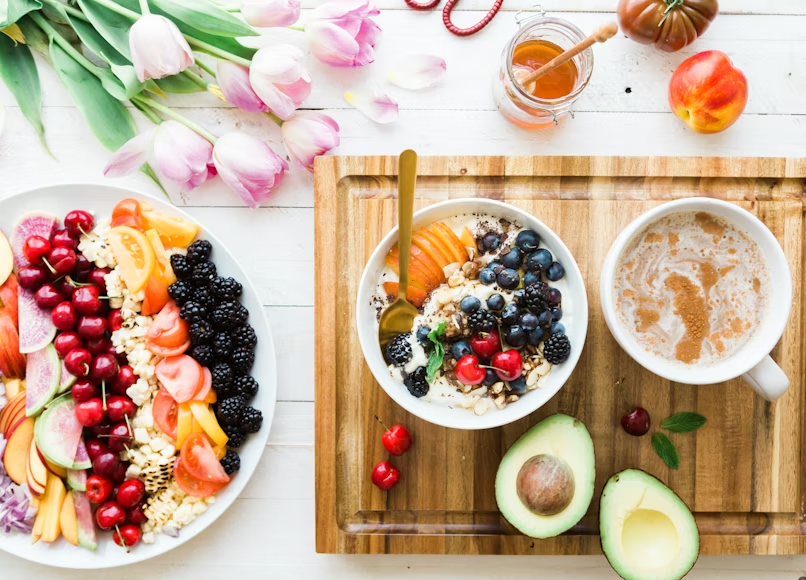
3 Fruits
How much? 1 small piece of fruit equals ½ cup of fruit. A large piece of fruit counts as 1 cup. So, this means 2-4 pieces of fruit are what you need per day.
Why fruits? Fruits contain potassium, fiber, vitamins C, and folate. Potassium helps maintain healthy blood pressure. Fruits also contain antioxidants and phytochemicals; consumption of both is associated with decreased risk for cardiovascular disease and cancers.
4 Vegetables
How much? The average person in the 18-30 collegiate age range needs 2 ½ to 4 cups of vegetables per day.
Why vegetables? Vegetables contain vitamins A and C and fiber. Fiber helps reduce blood cholesterol levels and possibly risk of heart disease. Vitamin A supports eye and skin health and helps your immune system defend against infections. Vitamin C helps wounds heal and keeps your gums and teeth healthy. Vitamin C also increases iron absorption.
5 Dairy
How much? 3 cups of dairy per day.
Why dairy? Cow’s milk is the leading source of calcium, vitamin D and potassium. These nutrients work together to prevent osteoporosis. Calcium contributes to strong bones and teeth, muscle contractions, cardiovascular health, and nerve signaling pathways. If you have a milk allergy or are vegan, soy milk is also a great source of calcium and is considered part of the dairy food group.
Bottom Line
By understanding and applying these principles, you can establish a foundation for lifelong healthy eating habits, contributing to academic success and maintain personal well-being. Aim for a colorful plate to diversify your nutrient intake!
References:
United States Department of Agriculture and United States Department of Health and Human Services. Dietary Guidelines for Americans, 2020-2025. 9th Edition. Version current 2020. Internet: http://www.DietaryGuidelines.gov (accessed 25 Nov 2025).